

Programme Overview
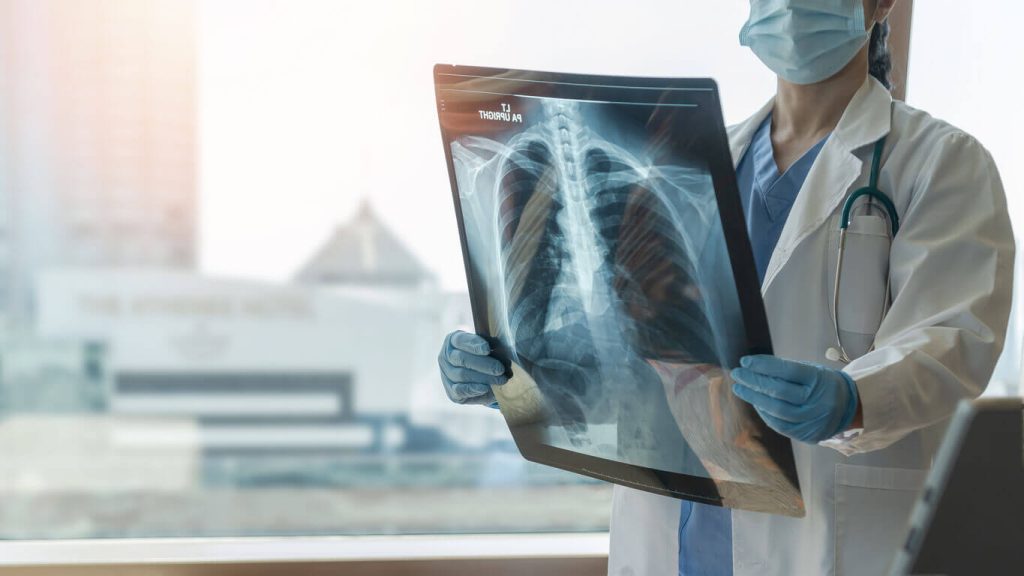
An X-ray is a painless, fast medical imaging test that uses a small, safe dose of electromagnetic radiation to produce pictures of the inside of our body. It is most commonly used to check for bone fracture, but it can also spot lung infections, dental cavities and infection.
An X-ray machine sends invisible energy beams through our body onto a specialised digital detector or film. Different tissues adsorb this radiation at varying levels. This technology helps us to evaluates broken bones, dislocations, or arthritis, lungs and heart to diagnose conditions like pneumonia, congestive heart failure, detect kidney or baldder stone.
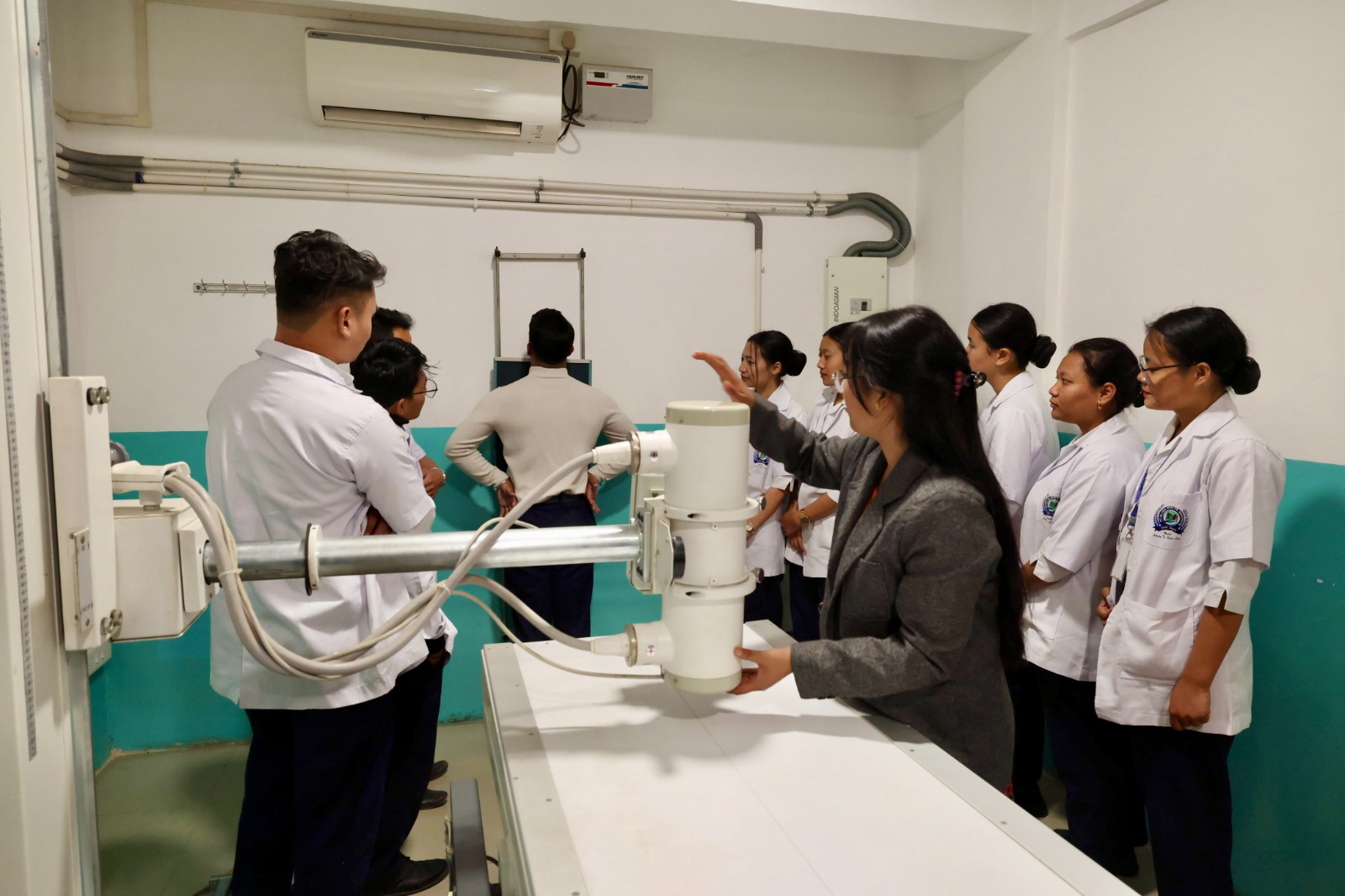
Career Path
After completing a diploma or degree in X-ray technology, graduates can explore several specialized roles. Technicans work directly with patients and doctors to capture diagnostic images, with typical roles expanding from general X-ray imaging into advanced medical specialties, administration, and technical sales. It provides diverse job prospects in hospitals, trauma centers, and private clinics, as well as clear pathways to specialize in advanced modalities. It offers a highly stable, hands-on path in healthcare. X-ray Technologist operate medical imaging equipment, assist radiologists, and ensure patient safty.
Career Option
- Radiographer
- X-ray Technician
- Fluoroscopy Technologist
- Mammographer
- Radiology department manager/ Administrator
- PACS/ RIS Administrator
- Radiology Assistant
- Specialized equipmen operators in hospitals
Eligibility Criteria
For National Students
- 10th or its equivalent.
For International Students
Rule framed by University Grants Commission (UGC) and notified in its website www.ugc.ac.in will be followed for deciding the eligibility and admission of International students to various courses offered in PC Allied Health Institute.